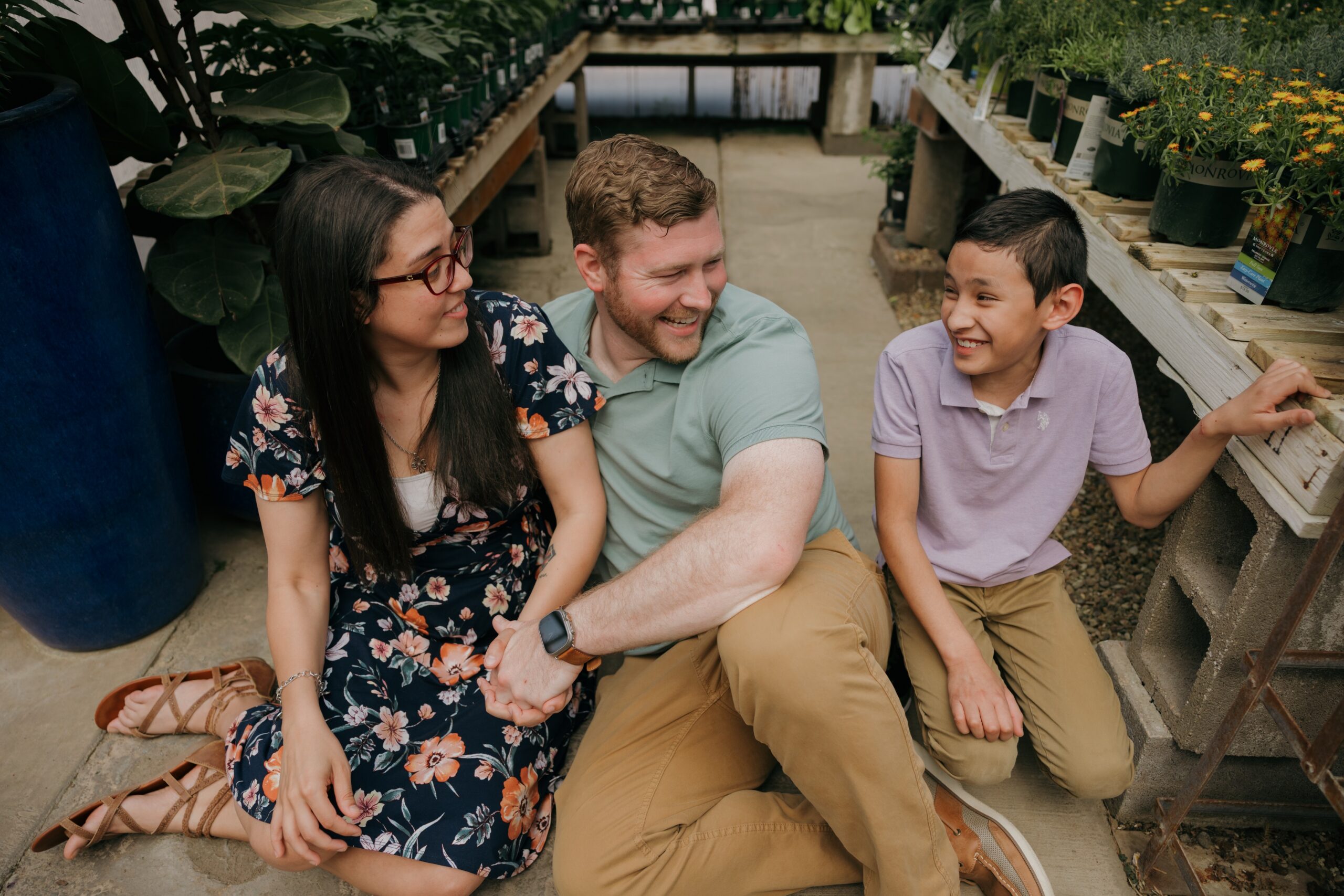
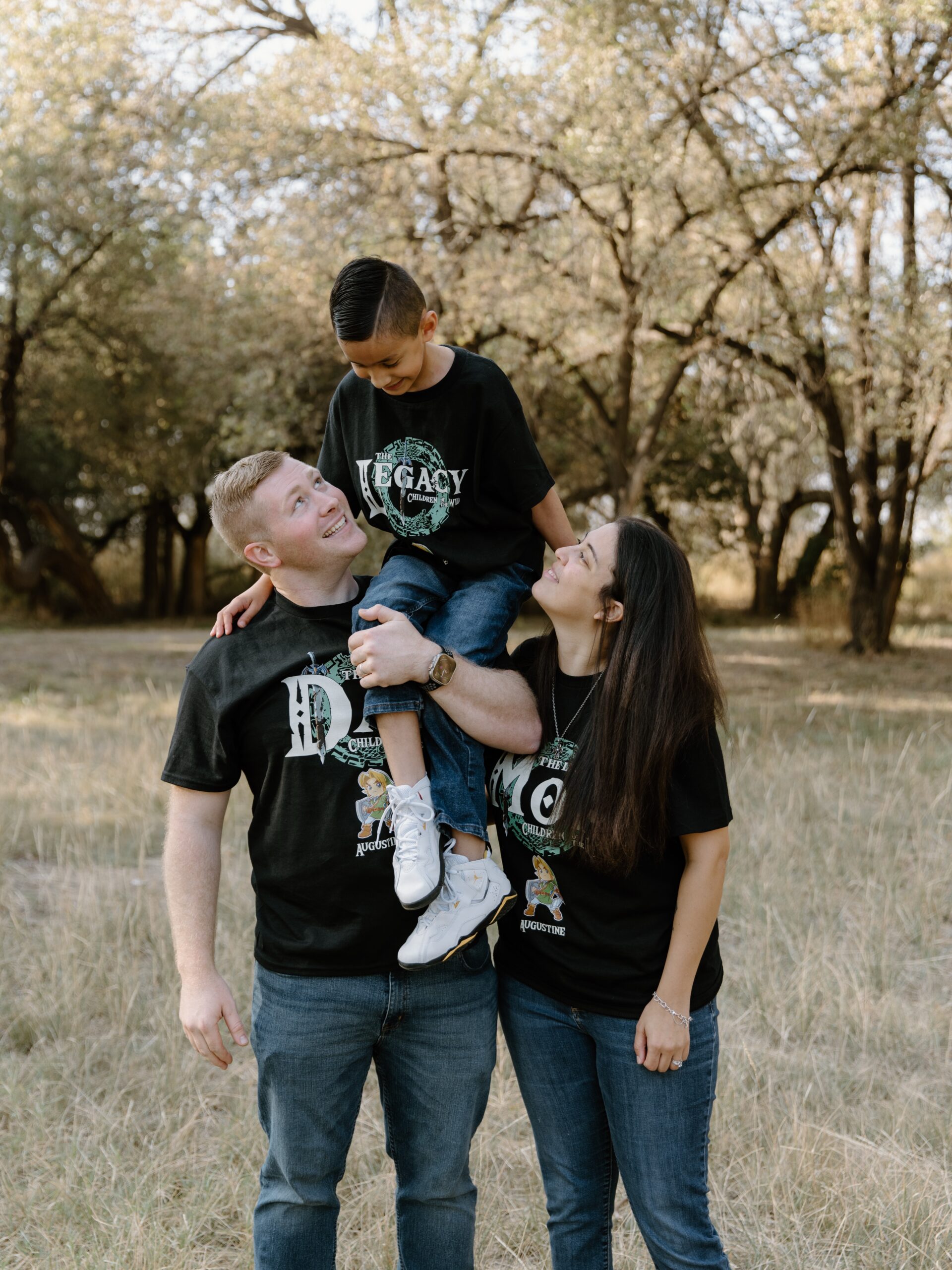
For Adrianna Stamps and her husband, the path to foster care began through heartache after experiencing four pregnancy losses tied to polycystic ovary syndrome (PCOS).
Hesitant to undergo further fertility treatments, the couple began discussing fostering to adopt.
While they initially struggled to reach a consensus, a phone call from a family friend invited them to an orientation meeting, setting their new journey in motion.
By July 2026, the couple will have been licensed foster parents for six years. During that time, they have opened their home to 18 children ranging from infants to 13-year-olds, with youth needing basic support all the way to complex medical and treatment foster care.
Their first placement involved two children in treatment foster care.
“We had no idea what we were getting into, but they were the foundation that started the journey,” Adrianna Stamps said.
According to Stamps, the experience taught them how temporary homes can help children heal from trauma and learn they are loved despite their prior environments.
Over the years, several key moments defined their time as foster parents. The first breakthrough occurred with their first treatment case, a young girl who eventually called them mom and dad.
“She freaked out, but she cried afterwards,” Stamps said. ” I really saw her improve significantly, because she felt like she was safe.”
Another pivotal moment came with their son and only adopted child. He arrived at their doorstep after his previous foster family decided his behaviors were overwhelming.
“What ate me up was when they showed up with him with a literal trash bag of his things, dropped him at my door and left,” Stamps said. “I’ve had a lot of tough cases, but I couldn’t believe how unbelievably cruel it seemed.”
After six months, his behaviors surfaced.
Stamps recalled watching him face uncomfortable moments during biological family visitations and continually reassured him that he was allowed to be himself.
When they saw the child welfare system nearly fail him again, the couple intervened, and his biological mother surrendered her rights.
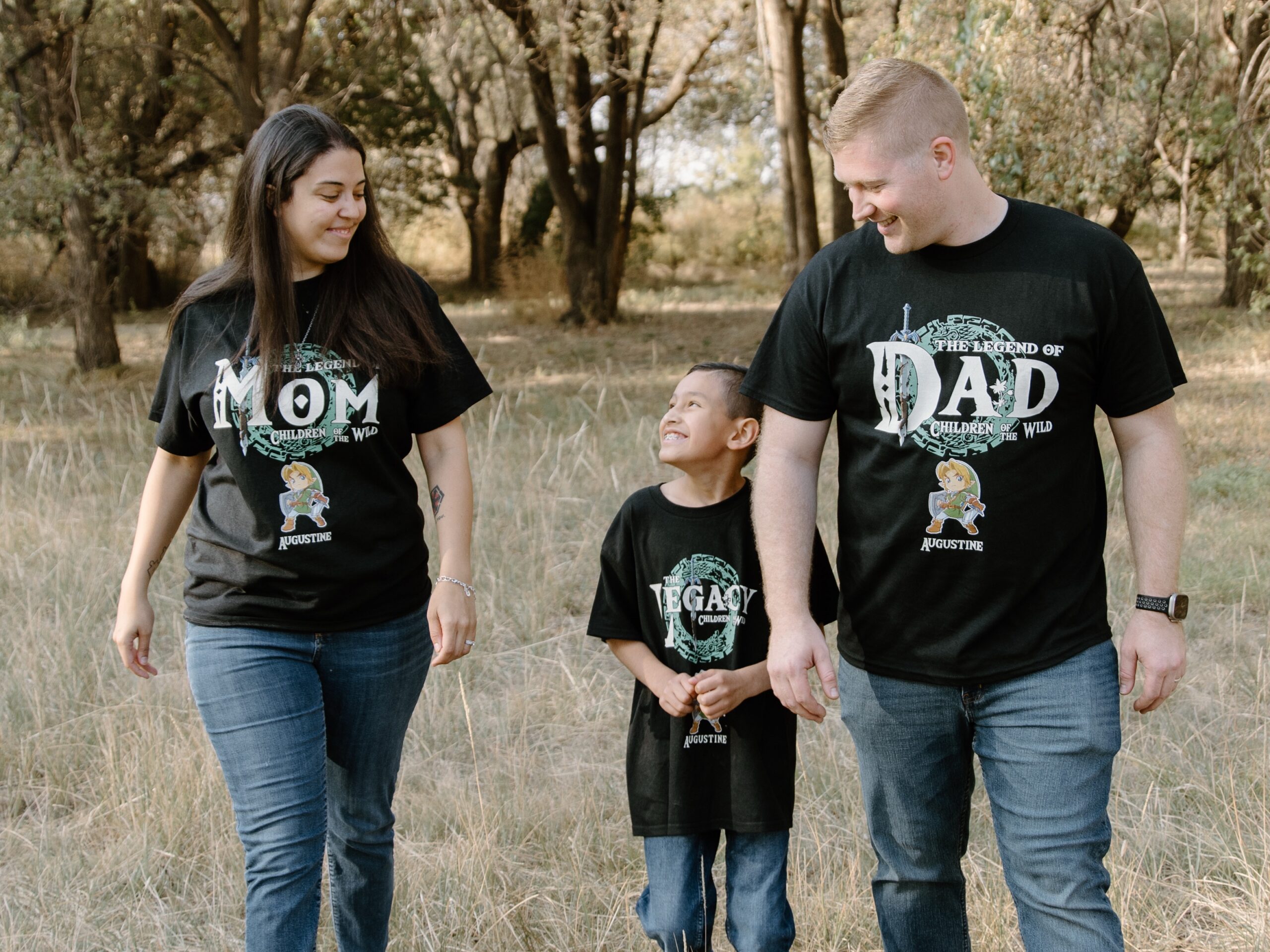
Throughout their journey, external support played a crucial role. A friend from church, became a certified respite care provider to assist the family during a particularly challenging placement. Another church friend, stepped in to help guide the family through their son’s adoption process into their family.
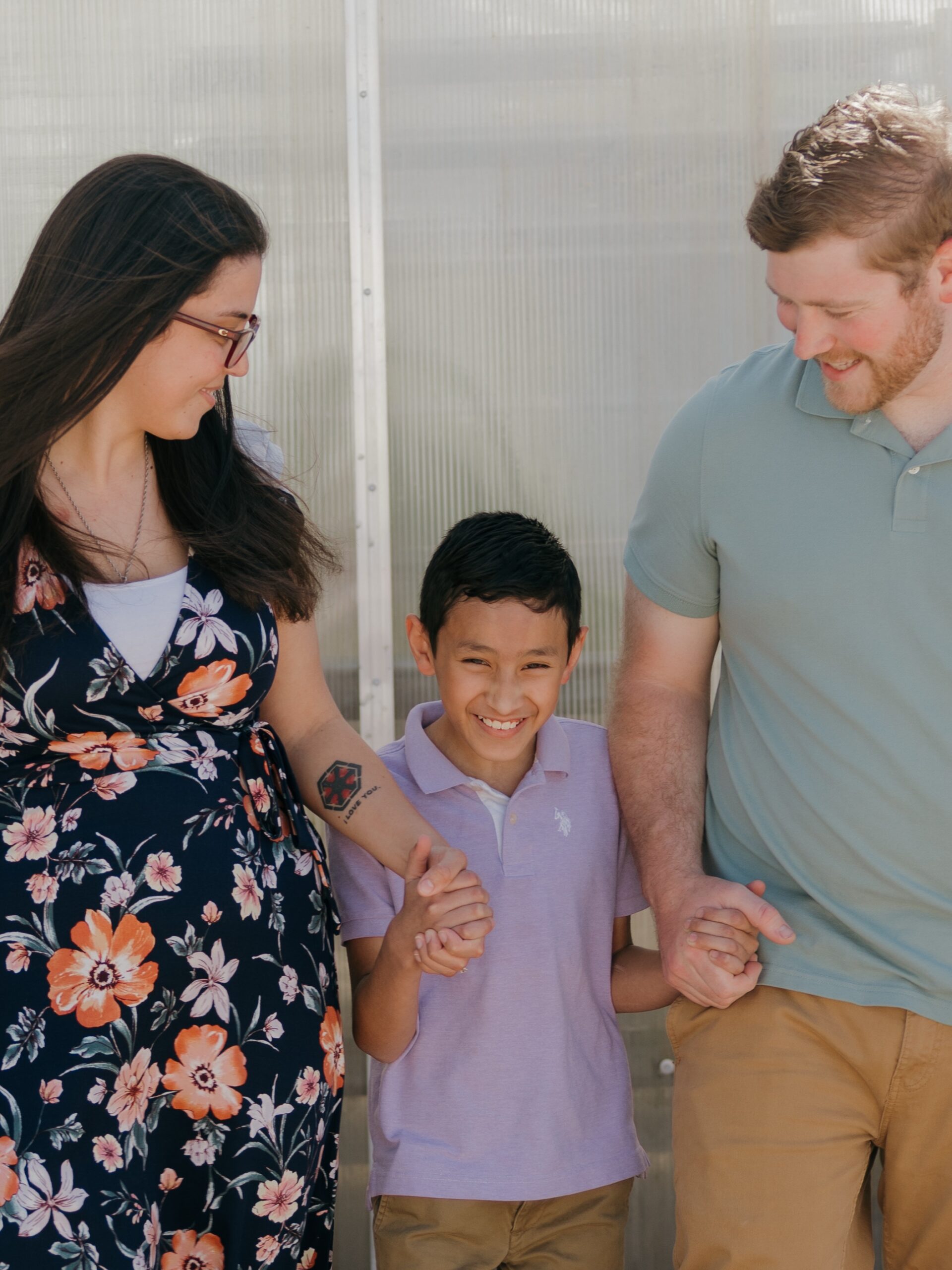
Stamps also mentioned a representative from Arrow, their direct communication and assistance in navigating state agencies.
“I know when I need something done or if I know I need to be put in check, she will tell me what is up,” Stamps said.
Stamps noted that Arrow provides prompt support, practical feedback on child placements and policy adjustments based on foster parent experiences.
Over six years of fostering, Stamps said she and her husband have developed greater patience, adaptability and empathy, including toward biological parents battling addiction.
“At one point, I couldn’t look at these parents without snubbing my nose at them,” Stamps said. “I remember seeing one of my kid’s parents once and saw how the addiction had overtaken her life. I cried for hours after that and just wanted her to get the help she needed.”
The couple also learned to become firmer advocates for the children in state care, pushing back against administrative decisions when necessary.
“I have and will continue to be a voice for the youth in care when they can’t do it for themselves or when others won’t,” Stamps said. “Children’s rights should always be at the front of everyone’s mind.”
Ultimately, Stamps wants every child who passes through her home to leave with a lasting sense of self-worth.
“They deserve the love and kindness everybody else deserves, and there’s nothing that they can’t achieve,” Stamps said. “Your past is part of your history, but your past doesn’t have to dictate your future.”
For those considering foster care, Stamps said lean into honesty and the willingness to adapt.
“Be honest with yourself for what’s best for yourself and your family,” Stamps said. “Be honest about your limitations and expectations but also be open and be willing to change.”